
Movement Disorders
Expert diagnosis and long-term care for Parkinson’s disease, tremor, dystonia, and other conditions that affect how you move, close to home in Denton.
What is a movement disorder specialist?
A movement disorder specialist is a neurologist who has completed extra fellowship training focused on conditions that affect movement, such as Parkinson’s disease, tremor, and dystonia. Many of these conditions look alike, especially early on. That extra training helps with an accurate diagnosis and with advanced treatments that general practices may not offer. Some neurology subspecialties, like movement disorders, do not have board certification, so any neurologist can call themselves a movement disorder specialist. This can be confusing to the public, so always verify that they have completed a fellowship in a university movement disorders program.
Jerome Lisk, MD, is Denton County’s fellowship-trained movement disorder specialist. He has over 20 years of clinical practice experience, and you see the same specialist at every visit.
- Fellowship trained in movement disorders
- DBS screening and programming in our office
- Botulinum toxin injections in our office
- Infusion center in the same building
Conditions we treat
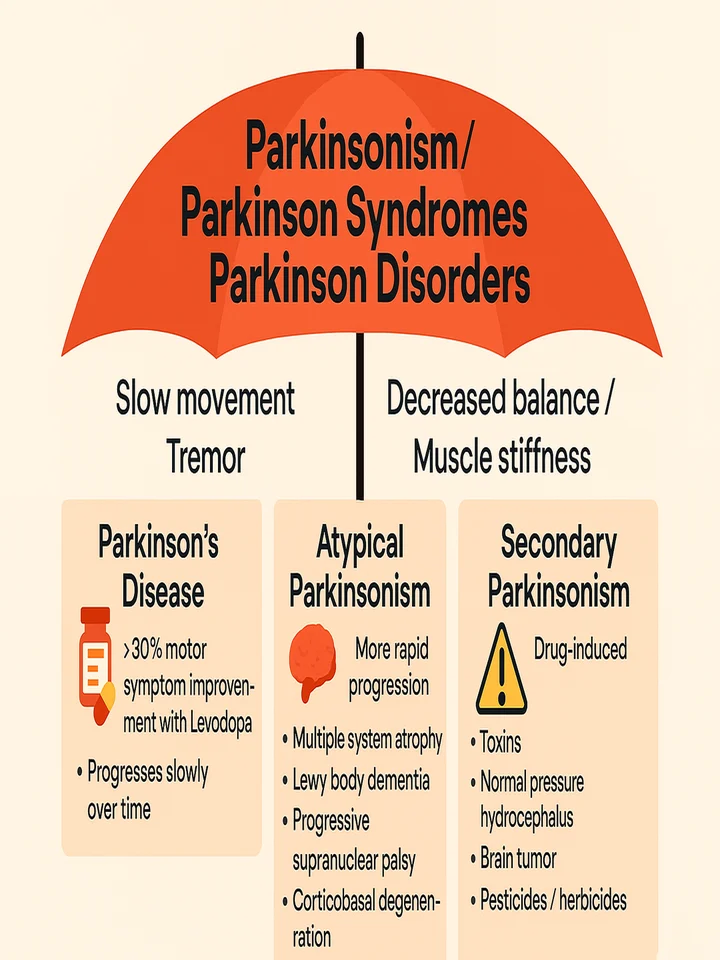
Parkinson Disorders (Parkinsonism, Parkinson Syndromes)
Treatments we offer
What to expect at your first visit
Before your visit
Fill out your patient forms. Gather a list of all your medicines and doses, and any past test results, brain scans, or records from other doctors.
Bring someone along
A family member or friend can share what they have noticed and help you remember what we discuss.
A careful exam
We talk about your symptoms and history, then watch how you walk, move, and use your hands. The first visit takes longer than follow-up visits.
A plan you understand
We explain what we found, order any tests you need, and build a treatment plan around your goals. Your plan can change as your needs change.
Resources
Fact sheet
Understanding Parkinsonism
Dr. Lisk wrote this fact sheet for the Parkinson’s Foundation. It explains parkinsonism, the types of Parkinson disorders, how they are diagnosed, and how they are treated.
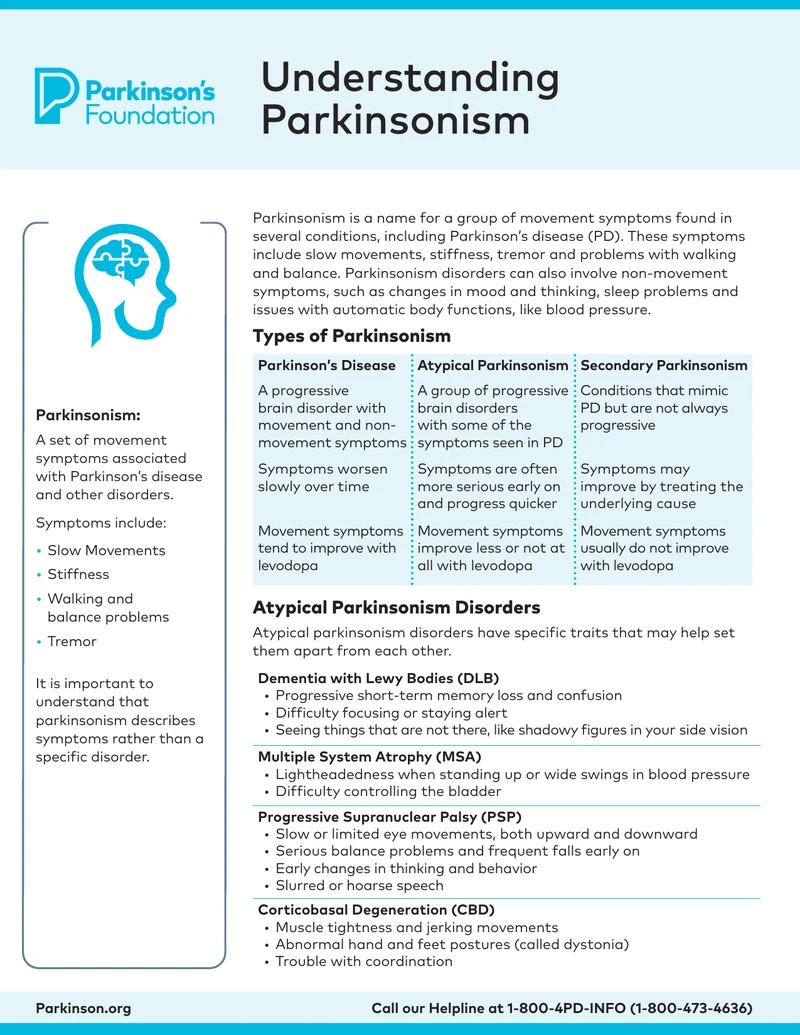
Also on the Parkinson’s Foundation website.